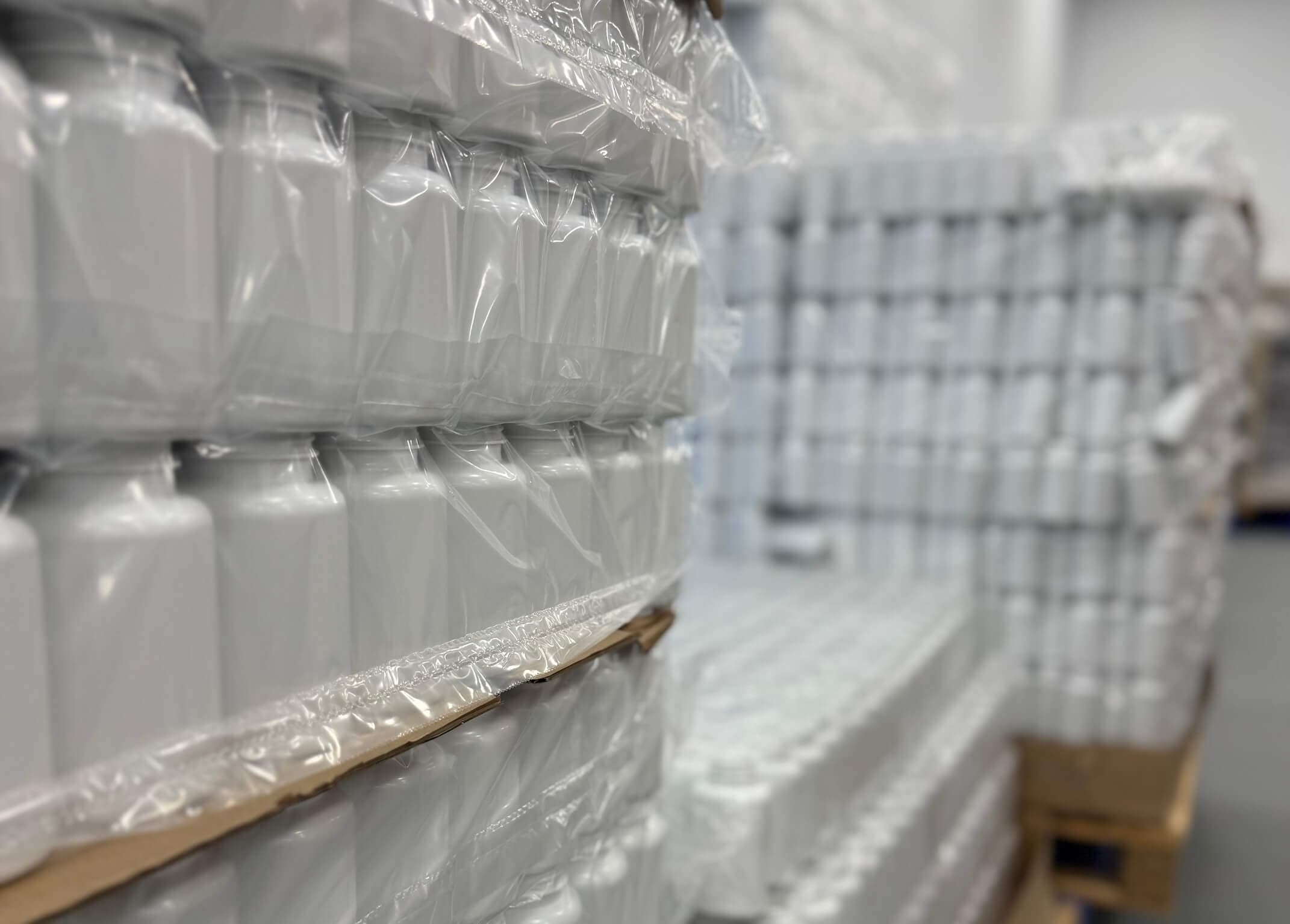
The rise of clean label supplements
The rise of clean label supplements
Clean label has become a consumer trend which is shaping the nutritional supplement industry. What began as a niche preference has evolved into a mainstream expectation, driven by consumers who want greater transparency, simplicity, and confidence in the supplements they take.
What does clean label mean?
The trend started in the food industry and many experts have raised concerns that the word ‘clean’ can carry negative connotations. In simple terms it means products that are made as naturally as possible, with recognisable ingredients that the majority of people would understand. In food terms, a clean cake for example would be made simply with butter, sugar, eggs, flour, a raising agent and natural flavourings.
In the supplement sector, clean label generally refers to products that avoid non-natural or unfamiliar-sounding ingredients for consumers, and instead focuses on clear, easily understood formulations. While there is no formal regulatory definition, clean label products typically feature shorter ingredient lists, consumer friendly terminology, and fewer additives. The emphasis is not necessarily on using fewer ingredients, but on greater clarity of what each ingredient is and why it is included.
As consumers become more health-conscious, they are taking a more active role in evaluating supplement labels rather than accepting them at face value. Easy-to-read ingredient names and transparent formulations help consumers feel informed and reassured about their purchasing decisions.
The formulation challenges behind clean label
Despite its appeal, clean label formulations present technical challenges. Many traditional supplement ingredients exist for manufacturing reasons, even if they have attracted negative attention from consumers. One of the most commonly discussed examples is magnesium stearate, an anti-caking agent widely used in tablet and capsule production to ensure smooth processing and consistent quality.
Removing or replacing magnesium stearate is not straightforward. In high-speed manufacturing environments, anti-caking agents play an important role in preventing powders from sticking to machinery and ensuring tablets are formed correctly. Similar challenges arise for binding agents, such as microcrystalline cellulose, which help maintain tablet strength and stability. Finding alternatives that sound more natural while maintaining performance, shelf life, and scalability requires careful formulation design.
There is also a misconception that clean label products are inherently less stable or less effective. In reality, when clean label formulations are properly developed, they can deliver the same performance and reliability as conventional supplements.
Clean label as a long-term industry shift
As transparency continues to influence consumer purchasing decisions, brands that fail to adapt risk falling behind competitors who are willing to rethink their formulations. Supplement manufacturers and brands that invest early in clean label capabilities will be better positioned to respond quickly to market demands and launch innovative products.
At DSC Nutrition, we are one of the only UK supplement manufacturers to offer magnesium stearate-free tablet formulations. Magnesium stearate-free options are also available for certain capsule formulations. We are also developing formulas to replace other anti-clean label ingredients including microcrystalline cellulose.
To find out more about our clean label options or to discuss how to turn your supplement tablets magnesium stearate-free, contact us.
More News & Insights
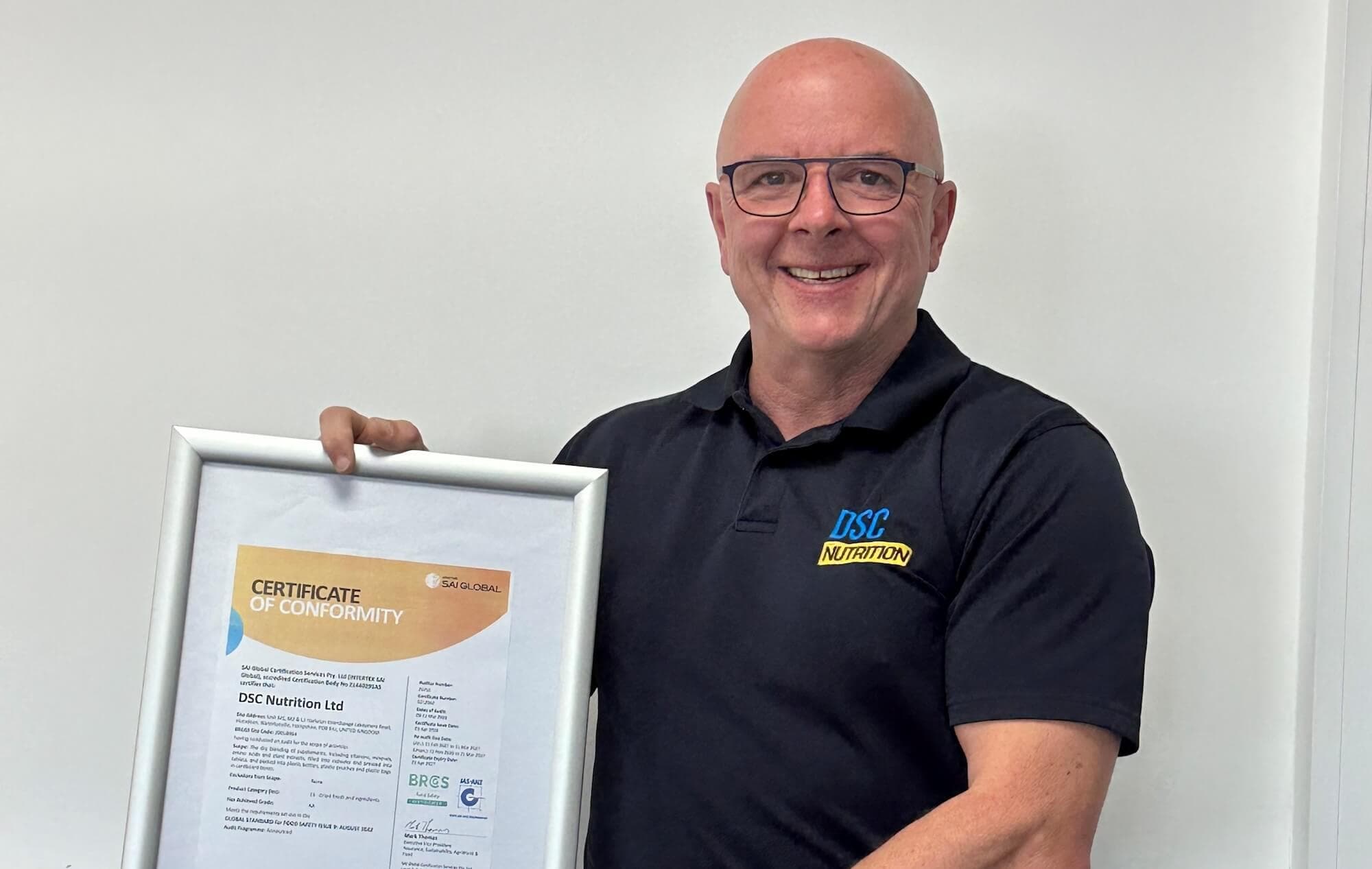
DSC Nutrition achieves highest quality rating in latest audit amidst exciting period of growth
Read our latest article on achieving the top grade in our recent BRCGS audit

Dr Steven Compton named in the LDC top 50 most ambitious business leaders of 2025
We are proud to share that our Founder, Dr Steven Compton, was named one of the LDC top 50 most ambitious business leaders of 2025.