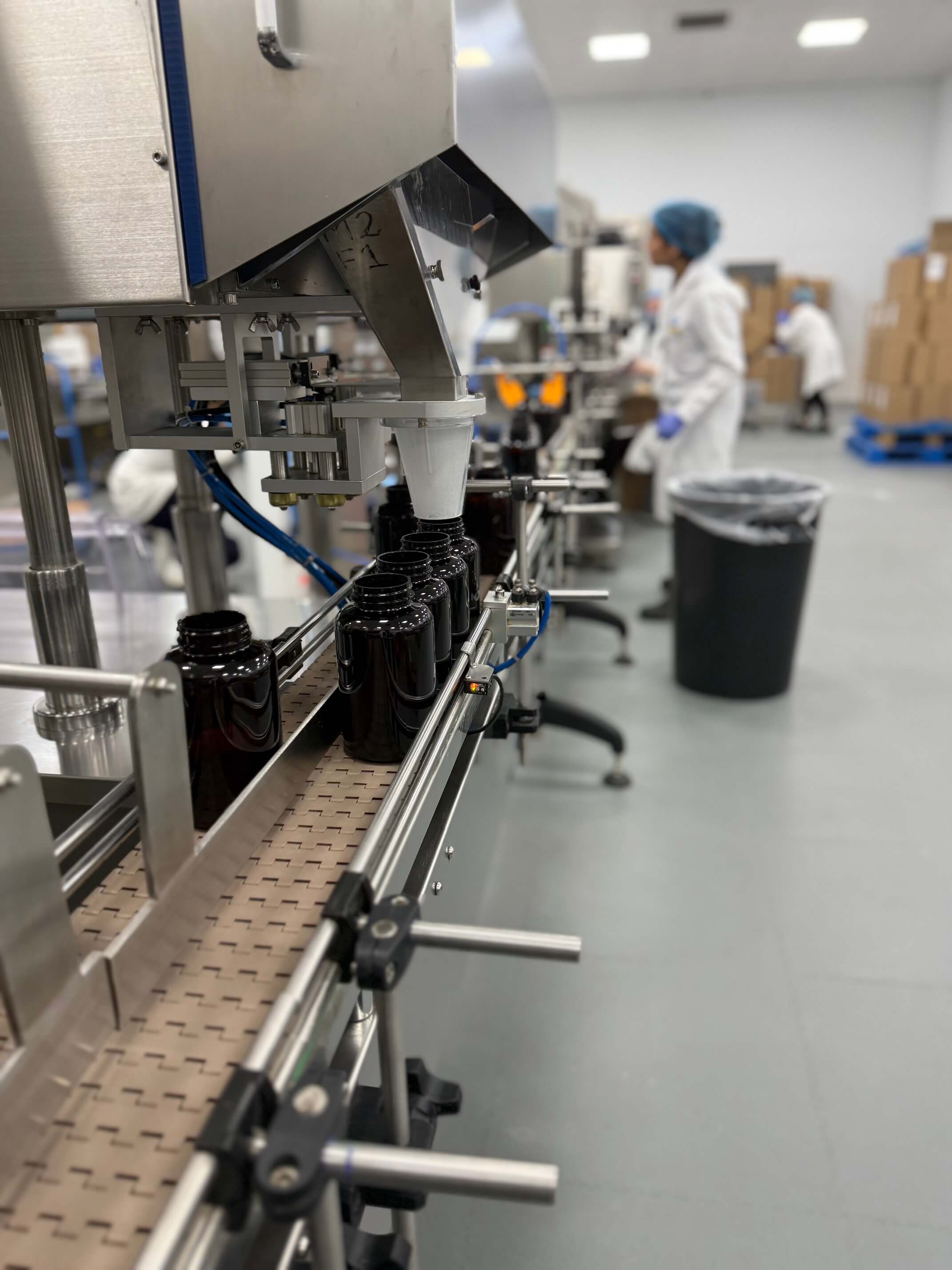
The speed vs quality equation in supplement manufacturing
Nutritional vitamins and supplements: The speed vs quality equation
In supplement manufacturing, speed and quality are often viewed as opposing forces. Brands want products launched quickly to meet market demand, respond to trends, and maintain momentum. At the same time, consumers expect absolute consistency, safety, and efficacy from every product they purchase.
For manufacturers, balancing these two priorities is one of the biggest operational challenges in the industry.
Defining speed and quality in manufacturing
In practical terms, “speed” in supplement manufacturing goes far beyond how quickly a product can be produced. It includes:
- Lead times from concept to completion
- Production output per hour or per shift
- Efficiency during changeovers and scaling
- Responsiveness to customer demand
- The ability to meet delivery deadlines consistently
“Quality,” meanwhile, is measured through consistency, compliance, and product integrity and can include:
- Accurate ingredient dosing
- Tablet and capsule consistency
- GMP compliance
- Physical testing and inspection procedures
- Product safety and traceability
True manufacturing performance is not about maximising one at the expense of the other. It is about building systems where efficiency enhances consistency rather than undermining it.
Why speed and quality have traditionally been at odds
Historically, the supplement industry has often treated speed and quality as a trade-off because rapid production can introduce variability into manufacturing processes. As production speeds increase, manufacturers may face:
- Greater risk of tablet weight variation
- Reduced time for in-process quality checks
- Increased equipment strain
- Higher likelihood of production errors
- More difficult batch consistency management
Many manufacturers respond to this by slowing production to maintain tighter control. While effective from a quality perspective, this can create long lead times that limit the ability to react to market opportunities. On the other hand, manufacturers focused primarily on speed may cut corners in testing, monitoring, or process validation - creating significant risks for the brand and consumer.
Where the tension between speed and quality is most visible
The balance between speed and quality becomes particularly important during high-output production stages, including:
Tablet compression
Tablet production speed directly affects product consistency. Running machines faster can increase output, but excessive speed changes may create weight variation or compromise tablet hardness.
Encapsulation
Capsule filling requires precise ingredient dosing and accurate fill weights. Higher speeds can make maintaining consistency more challenging without the correct controls in place.
Changeovers
Switching between products quickly is essential for efficiency, but poor changeover procedures increase contamination risks and production downtime.
Quality control and testing
Tight production timelines can pressure manufacturers to reduce inspection frequency or shorten testing windows - both of which can negatively impact compliance and product quality.
The risks of prioritising speed without the right systems
For supplement brands, choosing a manufacturing partner that focuses on speed alone can lead to serious consequences, with various risks such as:
Inconsistent product quality Failed quality checks Regulatory non-compliance Product recalls Delayed launches caused by production issues Damage to brand reputation and consumer trust
In an increasingly competitive market, consumers expect transparency, reliability, and consistency. A single quality failure can significantly impact long-term brand credibility.
What brands often misunderstand about fast manufacturing
One of the biggest misconceptions in supplement manufacturing is that faster production automatically means reduced quality. In reality, modern manufacturing efficiency is driven by process optimisation, equipment capability, and intelligent production planning - not by skipping quality procedures. Brands evaluating manufacturing partners should look beyond headline lead times and ask questions such as:
What quality controls are carried out during production? How frequently are products tested? What systems are in place to maintain consistency at higher output levels? How does the manufacturer manage scaling without increasing risk? What production technology is being used?
The strongest manufacturing partnerships are built on transparency, operational discipline, and proven process control.
DSC Nutrition’s approach to balancing speed and quality
At DSC Nutrition, the focus is not on choosing between speed and quality - it is on engineering manufacturing systems that support both. This is realised in a number of ways:
-
Using multi-tooling: Multi-tooling allows multiple tablets to be produced per station during compression, significantly increasing machine output while maintaining tight quality control. Our tablet press operates with 29 stations, enabling high-volume production with exceptional efficiency. Production speed is carefully managed depending on tablet size and formulation requirements. Smaller tablets naturally allow for higher output rates, while machine speeds are adjusted strategically to minimise the risk of weight variation and maintain product consistency.
-
Maintaining quality control throughout production: We maintain strict in-process quality control measures at every stage of production, including:
- Hourly physical checks on tablet hardness
- Regular tablet weight verification
- Continuous monitoring during compression
- Metal detection checks on tablets and capsules as they leave the machine
These checks ensure products remain compliant, consistent, and safe, even when working to demanding production schedules.
-
Faster lead times without sacrificing compliance: While many manufacturers operate on industry-standard lead times of 12–16 weeks, here at DSC Nutrition, we typically achieve lead times of 6–8 weeks across all our product categories. This shorter turnaround is made possible through:
- Efficient production planning
- Advanced manufacturing equipment
- High-output multi-tooling capabilities
- Streamlined operational processes
- Consistent quality management systems
The future of speed and quality in supplement manufacturing
As the supplement market continues to evolve, the relationship between speed and quality is changing rapidly. Consumers expect faster product launches, greater product innovation, and complete transparency around manufacturing standards. At the same time, regulatory scrutiny and market competition continue to increase.
The leading manufacturers over the next few years will be those that can combine advanced automation, real-time production monitoring, and strong Good Manufacturing Practice (GMP) compliance with flexible manufacturing capacity, efficient scaling systems, and transparent quality assurance processes.
Ultimately, the future of supplement manufacturing will not belong to the fastest manufacturers alone - it will belong to those capable of delivering speed with consistency, control, and trust.
Get in touch
For brands looking to scale successfully, the real competitive advantage lies in finding a manufacturing partner that understands how to optimise both sides of the equation.
If you would like to understand how DSC Nutrition can help you with your manufacturing needs, please contact us to find out more and start the process.
More News & Insights
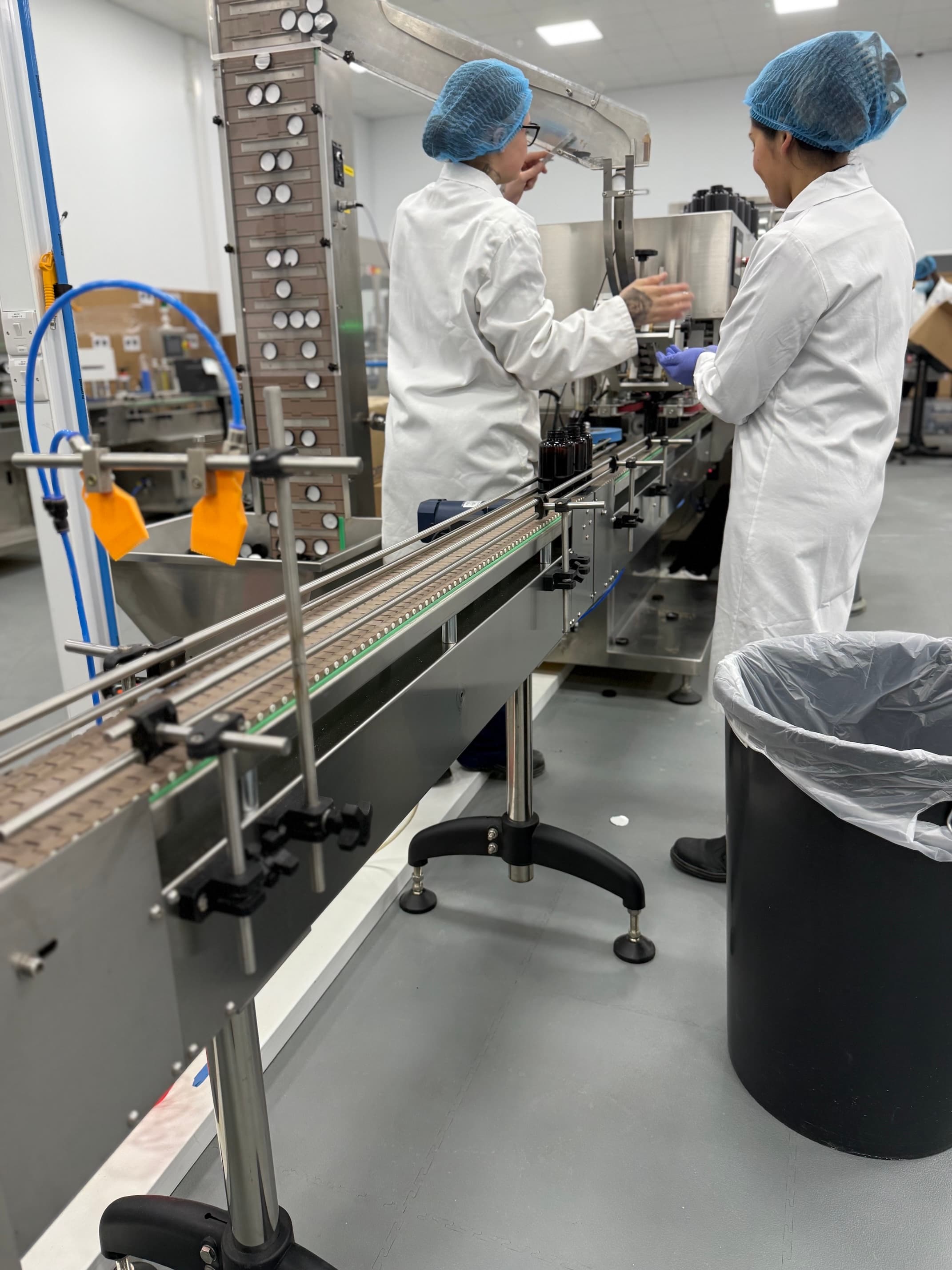
Why facilities management is essential in supplement manufacturing
Read our latest article on how facilities management underpins every stage of production.
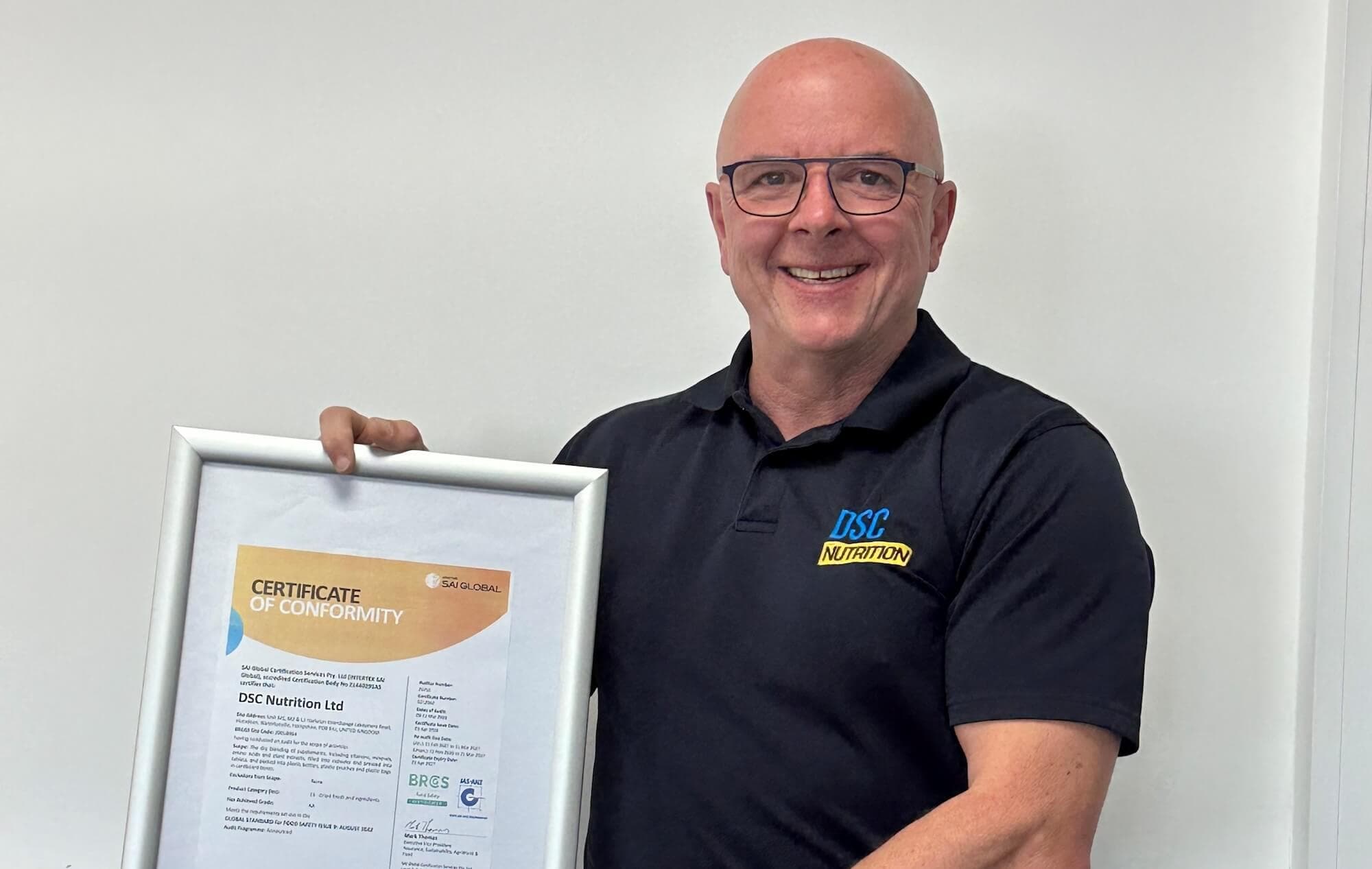
DSC Nutrition achieves highest quality rating in latest audit amidst exciting period of growth
Read our latest article on achieving the top grade in our recent BRCGS audit